



Rozkvet (2026)

Director Thomas Pollock
Writer Andrew McNeill
Stars Katarina Kokenyova | Andrew McNeill | Pavel Kríz
During WW2, a Romani woman reluctantly takes up arms in the hope of saving her family from Nazi persecution.

Synopsis
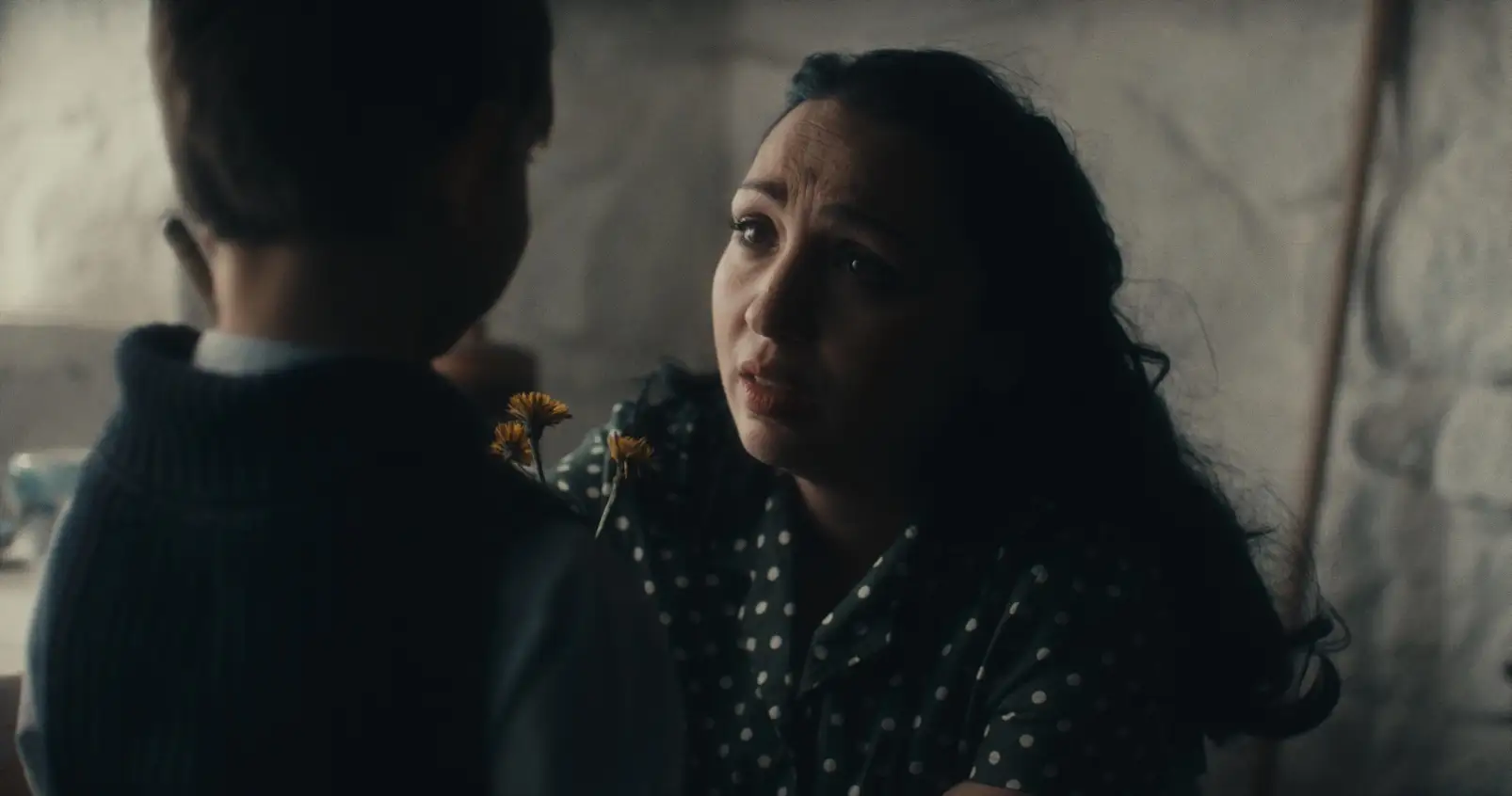
Occupied Czechoslovakia, 1943: in the wake of her husbands' death at the hands of the Nazis, Romani woman, Erika, isolates herself deep in the woods. Events soon spiral out of control, however, when she agrees to help the local resistance on a mission gone wrong. With the fate of her family and very people hanging in the balance, Erika reluctantly takes up arms in the hope of making a difference. Hot on her heels are local SS leader, Obersturmfuhrer Engel, a relentless man seeking to make sense of his own tragic loss, and Italian diplomat, Silvano Reale, trying to stay loyal to his German allies, while remaining a decent man.
Rozkvet explores themes of hope in the face of injustice, as well as bringing awareness to the Romani victims of the Holocaust and the active role they played in anti-fascist resistance across occupied Europe.
Project Brief
Rozkvet began life as a one-act play written by Andrew McNeill and was performed in the Sanctuary Theatre, Belfast, Northern Ireland in 2023. The story was initially set entirely inside an interrogation room and with only the three central characters of Erika, Reale and Engel. As a feature film adaptation, the story now has greatly expanded and evolved into a more visually driven piece, yet still retains the same core characters and themes from the play.
As well as being a tightly-crafted, character driven war film, Rozkvet presents a unique opportunity for an authentic portrayal of the Romani/Roma people, who remain underrepresented in mainstream media and, when they are, it is often in a negative light, perpetuating racial stereotypes.
Roma have suffered discrimination and persecution since their arrival in Europe in the Middle Ages, including but not limited to slavery, forced assimilation, expulsion, and segregation. The persecution of Roma reached a peak following the rise of the Nazi party. Romani people in Germany were stripped of their citizenship and as a result were subjected to violence and imprisonment in concentration camps, finally escalating to state-sponsored genocide in extermination camps. As no accurate pre-war census figures exist for the Roma, the actual number of those who were killed in the Romani Holocaust is difficult to assess but estimates range as high as 1.5 million across occupied Europe.
In spite of these horrors, negative stereotypes of Romani as inherently criminal and antisocial persist to this day. Such stereotypes continue to contribute to issues such as societal ostracism, ethnic tension, widespread poverty and racially motivated murder across Europe. Rozkvet aims to bring light to these facts and also to examine the root and cause of such discrimination. It also draws attention to the fact that those targeted by the Nazis were not simply helpless victims and that many did in fact fight back and resist their deadly occupation.